What Homeowners Should Know About Roof Repairs
Roof problems can sneak up on a homeowner. One day the attic looks fine, and the next there is a water stain spreading across the ceiling. By then the damage has already started. Catching issues early and knowing what kind of repair a roof actually needs can save time, money, and a lot of frustration. This article walks through the common types of roof damage, how professionals approach repairs, and what a homeowner should look for when calling for help.
Signs That a Roof Needs Attention
Not every roof issue is obvious. Some signs are easy to miss from the ground. A missing shingle here, a small curl there. But small problems can turn into big ones quickly, especially when water gets underneath. Here are some of the most reliable indicators that a roof might need repair: residential roof repairs
- Water stains on ceilings or walls. Even a small yellowed spot often means there is a leak above.
- Missing, cracked, or curled shingles. These leave the underlayment exposed to sun and rain.
- Granules in the gutters. Asphalt shingles shed their surface grit as they age. A lot of granules means the shingles are wearing thin.
- Daylight in the attic. If you can see light coming through the roof boards, water can get in too.
- Sagging or soft spots on the deck. This indicates rot or water damage that may require deck replacement.
Types of Roof Damage and What They Require
Roofs fail in different ways, and each kind of damage calls for a different repair approach. A storm may tear off a section of shingles, while slow wear might cause flashing to separate around a chimney. Understanding the type of damage helps a homeowner discuss the problem clearly with a contractor and avoid paying for work that is not needed.
Shingle Replacement
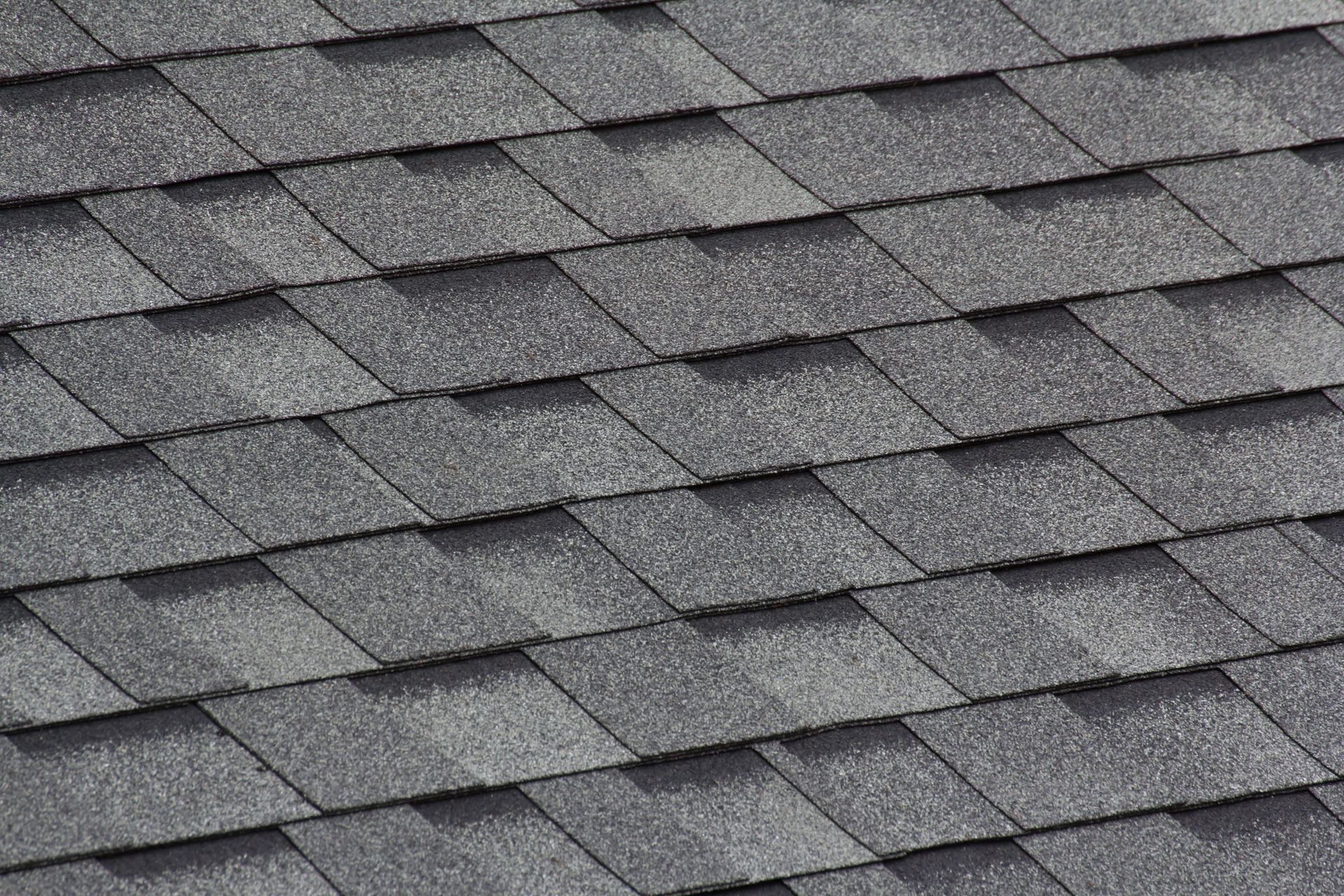
This is the most common repair. When a few shingles blow off or break, a roofer can remove the damaged pieces and nail in new ones. The tricky part is matching the color and style, especially on older roofs where the sun has faded the original shingles. A good roofer will take time to find a close match or blend the new shingles so they do not stand out. Shingle replacement is straightforward when the damage is limited, but if the roof has many missing shingles across a large area, it may be more efficient to replace the whole section.
Leak Detection and Patching
Finding the source of a leak is not always simple. Water can travel along a roof deck or a pipe before it drips into the living space. A roofer will often start by inspecting the attic with a hose test, spraying water on different sections while someone watches for drips inside. Once the leak point is found, the repair might involve sealing a flashing joint, replacing a boot around a vent pipe, or patching a small hole in the membrane. On a flat roof, the repair often requires cutting out the blistered or split area and applying a new patch of roofing material and adhesive.
Flat Roof Repair
Flat roofs are common on additions, garages, and some modern homes. They use different materials than sloped roofs and have their own set of problems. Ponding water is the biggest enemy. If water sits on the roof for more than 48 hours after a rain, the membrane can degrade, and the roof will start to leak. Flat roof repair usually involves cleaning the area, applying a new layer of coating or a membrane patch, and ensuring proper drainage. Sometimes the repair is as simple as clearing a clogged scupper or drain.
Metal Roof Patching
Metal roofs are durable, but they can develop holes from rust or impact. A metal roof patch requires cutting out the damaged section, welding or screwing a new piece of matching metal into place, and sealing the seams. The repair must match the expansion and contraction of the surrounding metal, or it will fail quickly. For a corrugated panel, the patch may need to be custom-shaped to fit the profile.
How Professionals Approach Residential Roof Repairs
When a contractor arrives for a repair, they do not just climb up and start hammering. A proper process begins with an inspection. The roofer walks the roof, checks the flashing, valleys, and penetrations, and looks for signs of water damage in the attic. If the damage is from a storm, they may also perform a storm damage assessment to determine whether the insurance claim covers the repair. After the inspection, they explain what needs to be done, how long it will take, and what materials they will use.
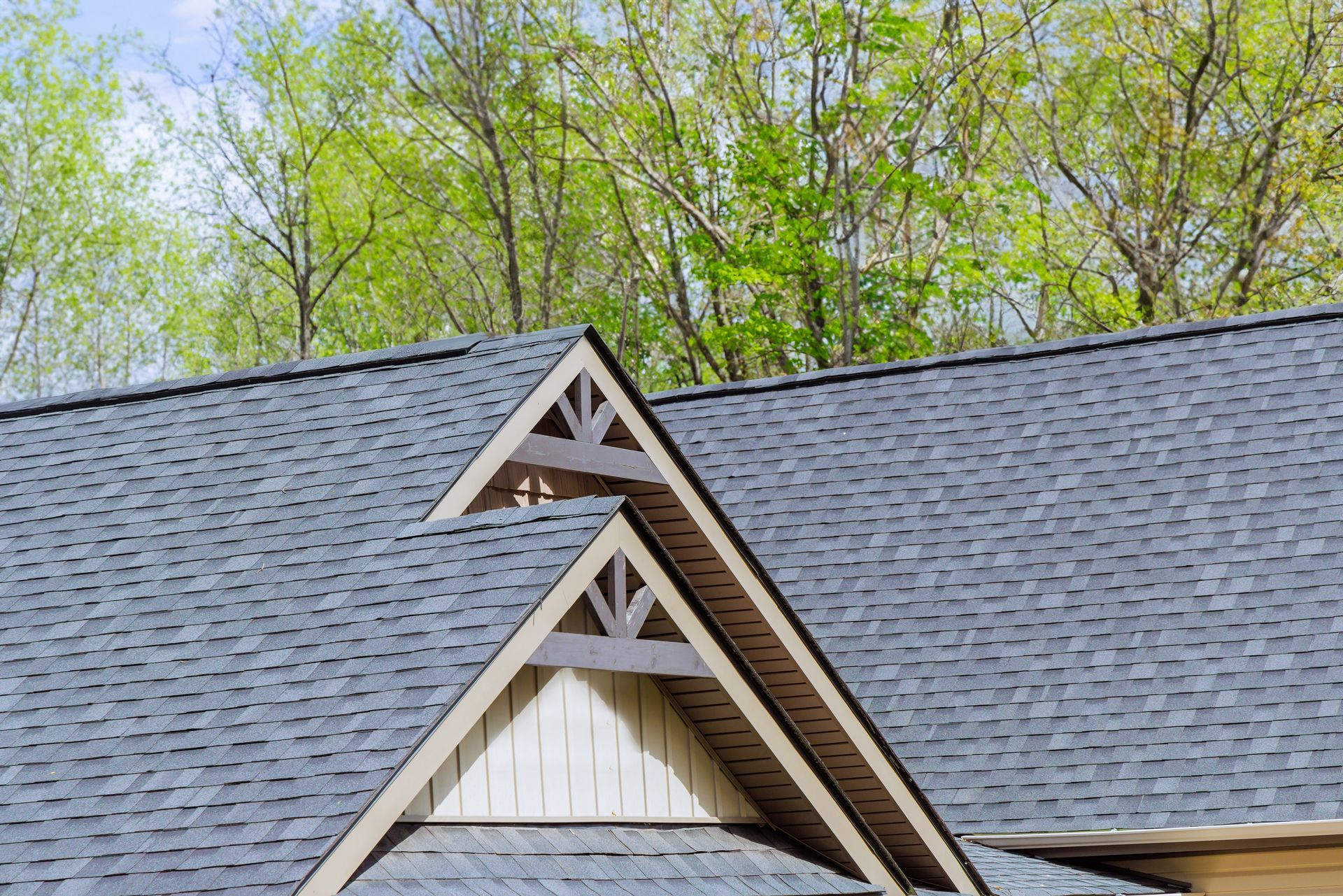
The actual repair process varies, but it usually follows a few steps. First, the roofer removes any damaged material and checks the underlayment. If the underlayment is wet or rotted, it must be replaced before new shingles go on. Then they install the new material, making sure to overlap it correctly and seal all fasteners. A good roofer will also inspect the surrounding area for any hidden damage and fix it before finishing. Finally, they clean up the site and check for stray nails or debris that could cause a flat tire or a foot injury.
Roof Inspection Checklist for Homeowners
Regular inspections help catch problems early. A simple roof inspection checklist can guide a homeowner through what to look for twice a year, ideally in spring and fall. Here is a basic checklist:
- Look for missing, cracked, or curling shingles from the ground with binoculars.
- Check the gutters and downspouts for granules and debris.
- Inspect the attic for water stains, mold, or daylight coming through the roof boards.
- Examine flashing around chimneys, vents, and skylights for gaps or rust.
- Trim overhanging tree branches that could scrape the roof surface.
If any of these checks reveal a problem, it is worth calling a professional for a closer look before the damage spreads.
When to Repair and When to Replace
Every homeowner eventually faces the question: is it time to repair, or is it smarter to replace the whole roof? The answer depends on the age of the roof, the extent of the damage, and the type of material. A roof that is less than ten years old with isolated damage is usually a good candidate for repair. A roof that is twenty years old with widespread shingle loss, multiple leaks, and a worn underlayment may be past the point where repairs make sense. Replacing a section of a very old roof can also lead to mismatched shingles and a patchwork appearance. A roofer can give a professional opinion, but a general rule is that if the repair cost approaches half the cost of a replacement, replacement is often the better long-term choice.

Storm Damage: What to Do First
After a severe storm, the first priority is safety. Do not climb onto a roof with broken shingles or hanging gutters. Check the attic for water and place buckets under any active leaks. If the damage is visible from the ground, take photos for insurance purposes. Then call a roofing professional for a storm damage assessment. They will inspect the roof, document the damage, and provide a written estimate. Many insurance policies cover storm damage, but the claim process goes more smoothly with a professional inspection and a clear repair plan. The roofer can also perform temporary tarping to stop water intrusion while the insurance claim is processed.
Trusting the Process
Residential roof repairs do not have to be a mystery. When a homeowner understands what to look for, what questions to ask, and what the repair process involves, they can make informed decisions that protect their home and their budget. The key is to act early, hire a qualified professional, and stay on top of routine maintenance. A well-maintained roof lasts longer, costs less over time, and keeps the home dry and comfortable through every season.